Exploring the Latest Trends in Green Architecture


Introduction to Green Architecture
Green architecture, also known as sustainable architecture, is transforming the way we think about building design. By integrating eco-friendly practices, it aims to minimize the negative impact on our environment. In recent years, this approach has gained momentum due to the increasing awareness of climate change and the need for sustainable development.
At its core, green architecture focuses on efficiency and moderation in the use of materials, energy, and space. This post explores some of the latest trends that are shaping this innovative field, highlighting how it is revolutionizing the construction industry.
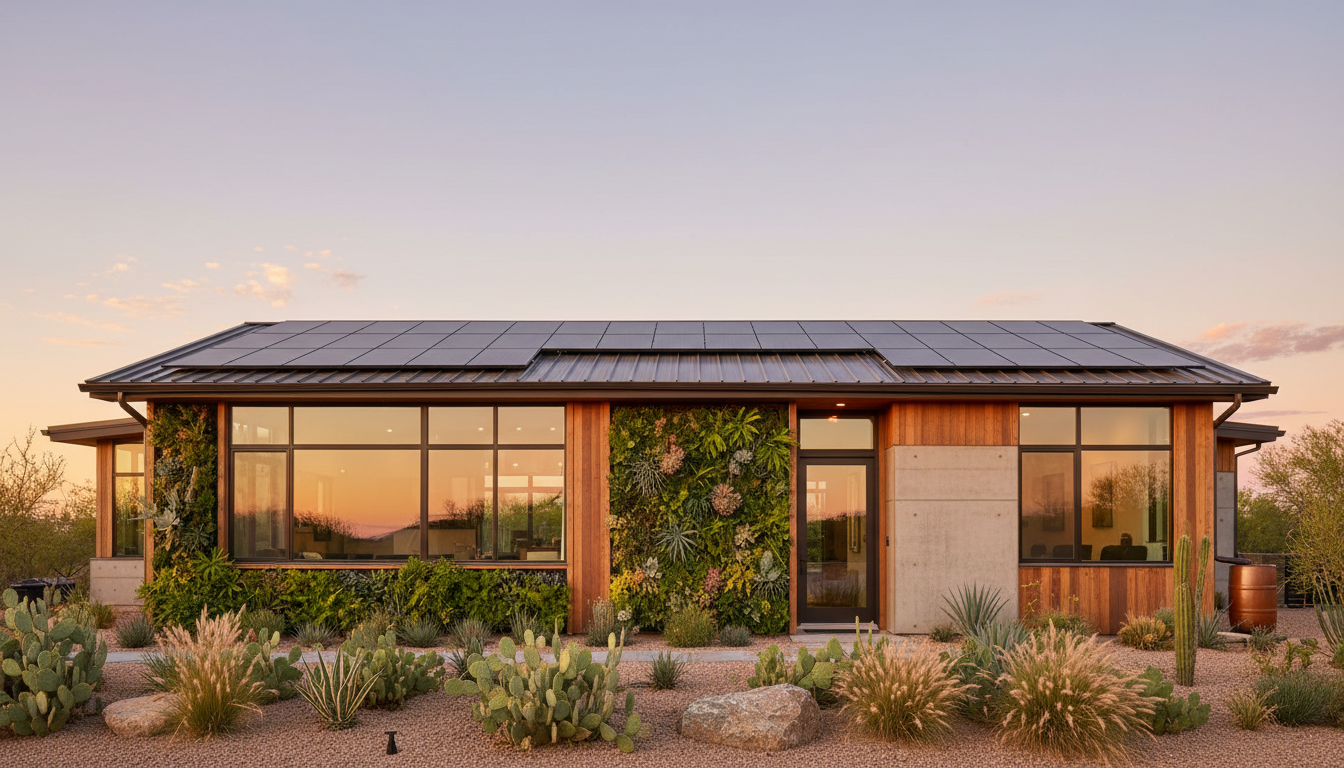
Innovative Materials
Recycled and Biodegradable Materials
One of the most exciting trends in green architecture is the use of recycled and biodegradable materials. By repurposing materials like steel, glass, and plastic, architects are reducing waste and conserving resources. Additionally, the development of biodegradable materials, such as mycelium and bioplastics, offers environmentally-friendly alternatives for construction.
Smart Glass
Smart glass technology is another game-changer. This innovative material can automatically adjust its transparency based on sunlight, reducing the need for artificial lighting and heating. This not only enhances energy efficiency but also creates a more comfortable indoor environment.
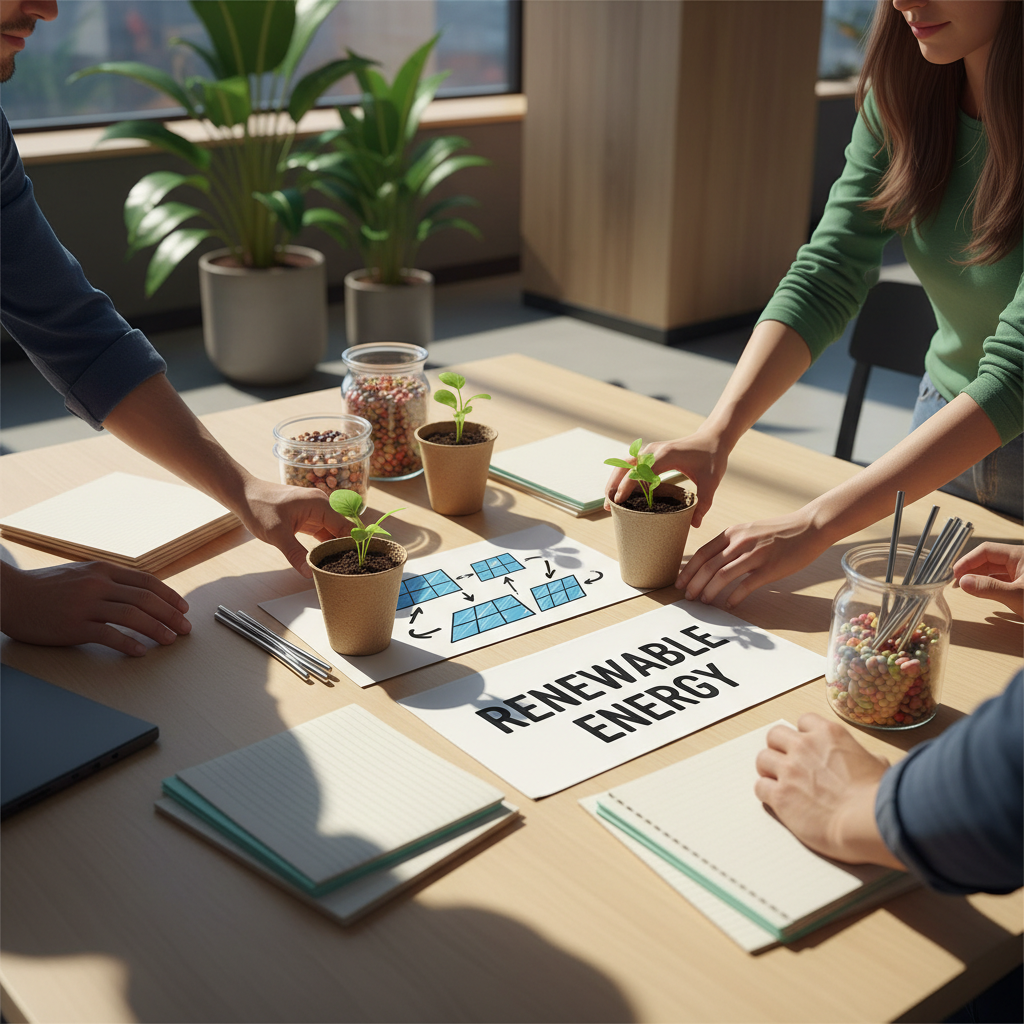
Energy Efficiency Innovations
Solar Energy Integration
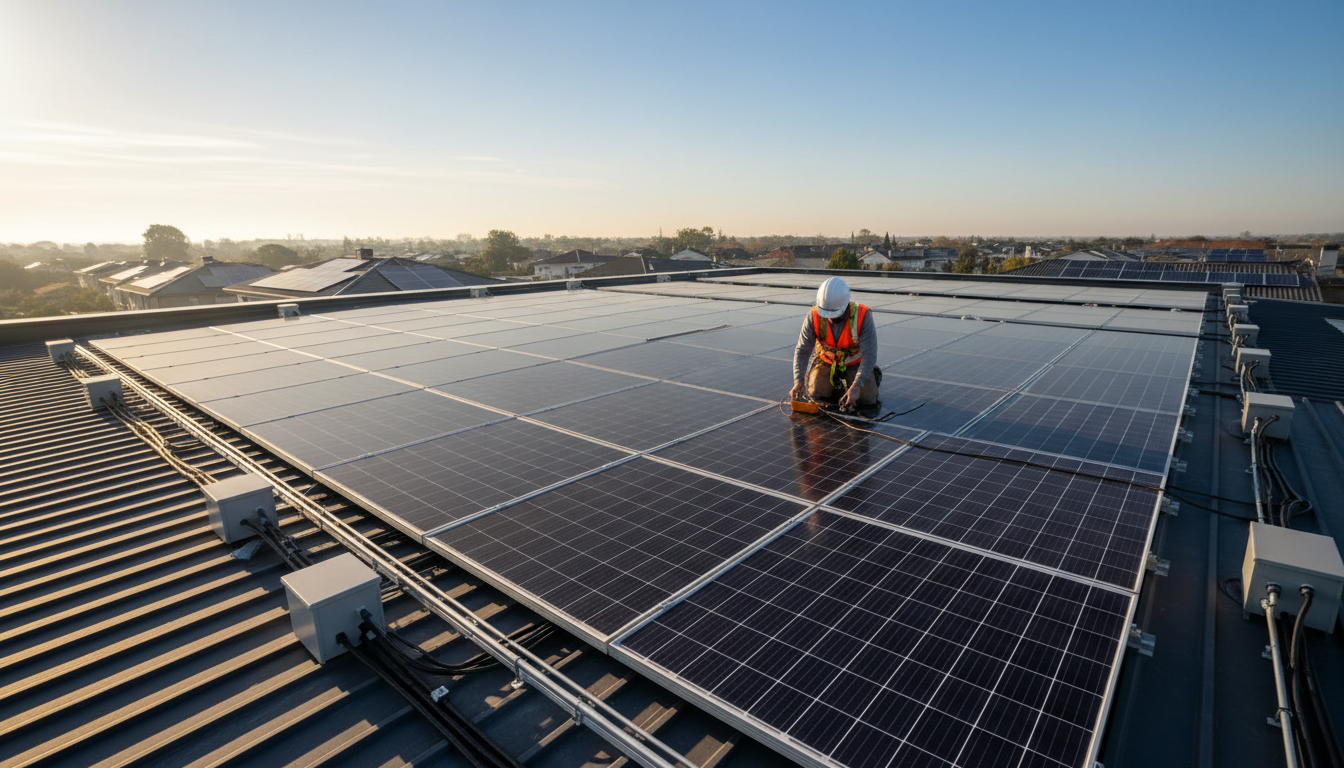
Solar panels have become a staple in green architecture. Advances in photovoltaic technology are making solar energy more efficient and affordable. Integrating solar panels into building designs not only reduces reliance on fossil fuels but also cuts electricity costs significantly.
Energy-Efficient HVAC Systems
Heating, ventilation, and air conditioning (HVAC) systems are crucial for maintaining comfortable indoor climates. The latest energy-efficient HVAC systems use smart technology to monitor and adjust air flow, significantly reducing energy consumption. These systems ensure optimal performance while minimizing environmental impact.
Water Conservation Techniques
Rainwater Harvesting
Water conservation is another critical aspect of green architecture. Rainwater harvesting systems collect and store rainwater for non-potable uses such as irrigation and toilet flushing. This reduces the demand on municipal water systems and helps preserve a vital natural resource.
Greywater Recycling
Greywater recycling systems capture and treat water from sinks, showers, and laundries, allowing it to be reused for irrigation or toilet flushing. This innovative approach not only conserves water but also reduces the strain on sewage systems, promoting a more sustainable lifestyle.

Urban Green Spaces
Incorporating green spaces into urban environments is a growing trend in sustainable architecture. Rooftop gardens, vertical gardens, and green walls not only beautify urban landscapes but also improve air quality and reduce urban heat islands. These spaces provide habitats for wildlife and promote mental well-being among city dwellers.
Green architecture is more than a trend; it's a movement towards a more sustainable future. By embracing these innovative practices, architects and builders are paving the way for a healthier planet, one building at a time.