The Benefits of Sustainable Building Materials in Germany


Introduction to Sustainable Building Materials
In recent years, the construction industry in Germany has increasingly turned its focus towards sustainability. This shift is largely driven by the growing awareness of environmental issues and the need to reduce carbon emissions. Sustainable building materials play a crucial role in this transformation, offering a range of benefits that contribute to a more eco-friendly and efficient construction process.
Environmental Benefits
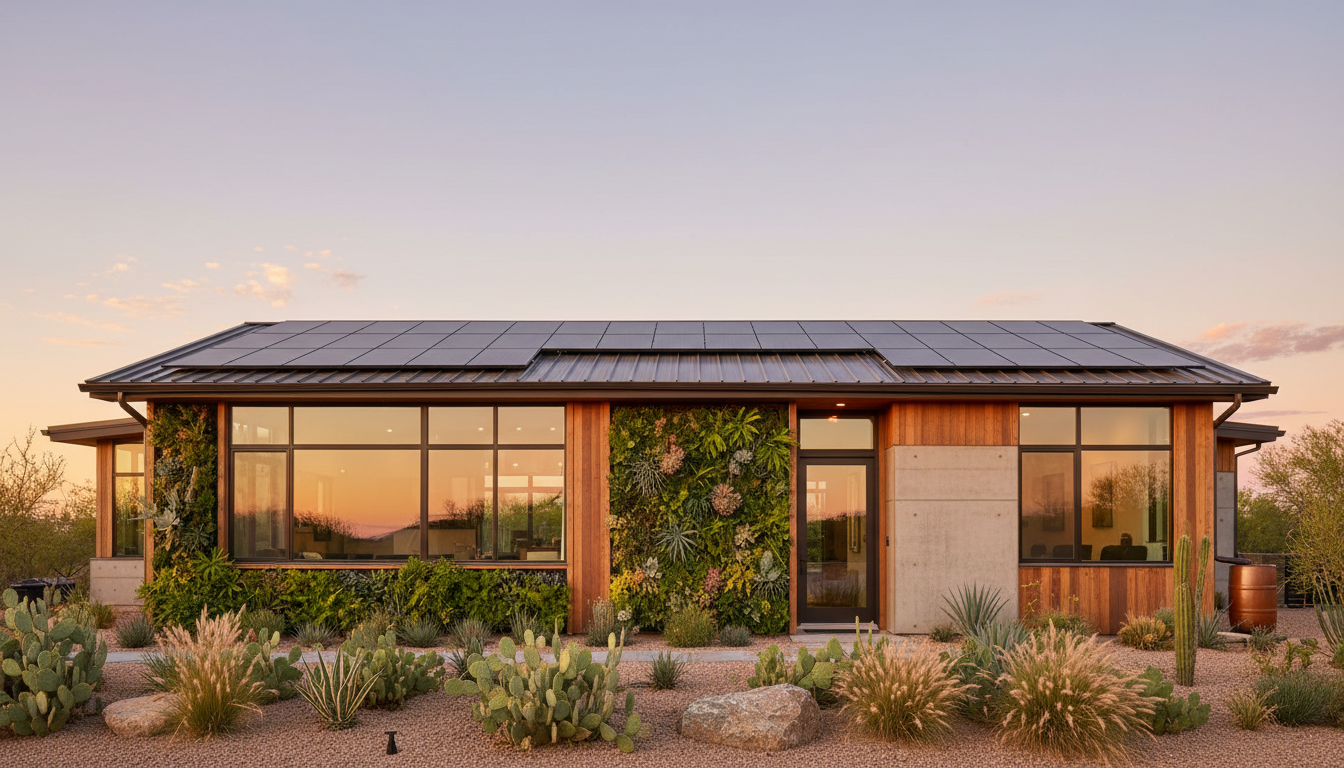
Sustainable building materials are designed to have a minimal impact on the environment. They are often sourced from renewable resources or recycled materials, significantly reducing the depletion of natural resources. Additionally, these materials tend to have a lower carbon footprint, which is essential in combating climate change.
Moreover, sustainable materials often enhance energy efficiency. For example, using high-quality insulation can drastically reduce the energy needed for heating and cooling buildings, which is particularly beneficial in Germany's varied climate.
Reduction of Waste
Another significant advantage is the reduction of waste. Traditional construction methods can generate substantial waste, much of which ends up in landfills. In contrast, sustainable building practices emphasize recycling and reusing materials, leading to a more circular economy.

Economic Advantages
While the initial cost of sustainable materials might be higher, they often lead to significant savings in the long term. Buildings constructed with these materials typically require less maintenance and have lower energy costs. This can result in substantial financial benefits over the lifespan of a building.
Furthermore, sustainable buildings can have a higher market value. As awareness of environmental issues grows, more buyers and renters in Germany are seeking eco-friendly properties, making them a wise investment.
Government Incentives
The German government offers various incentives to encourage the use of sustainable materials. These can include tax benefits, grants, or subsidies, further reducing the financial burden for builders and developers who choose to go green.
Health and Well-being
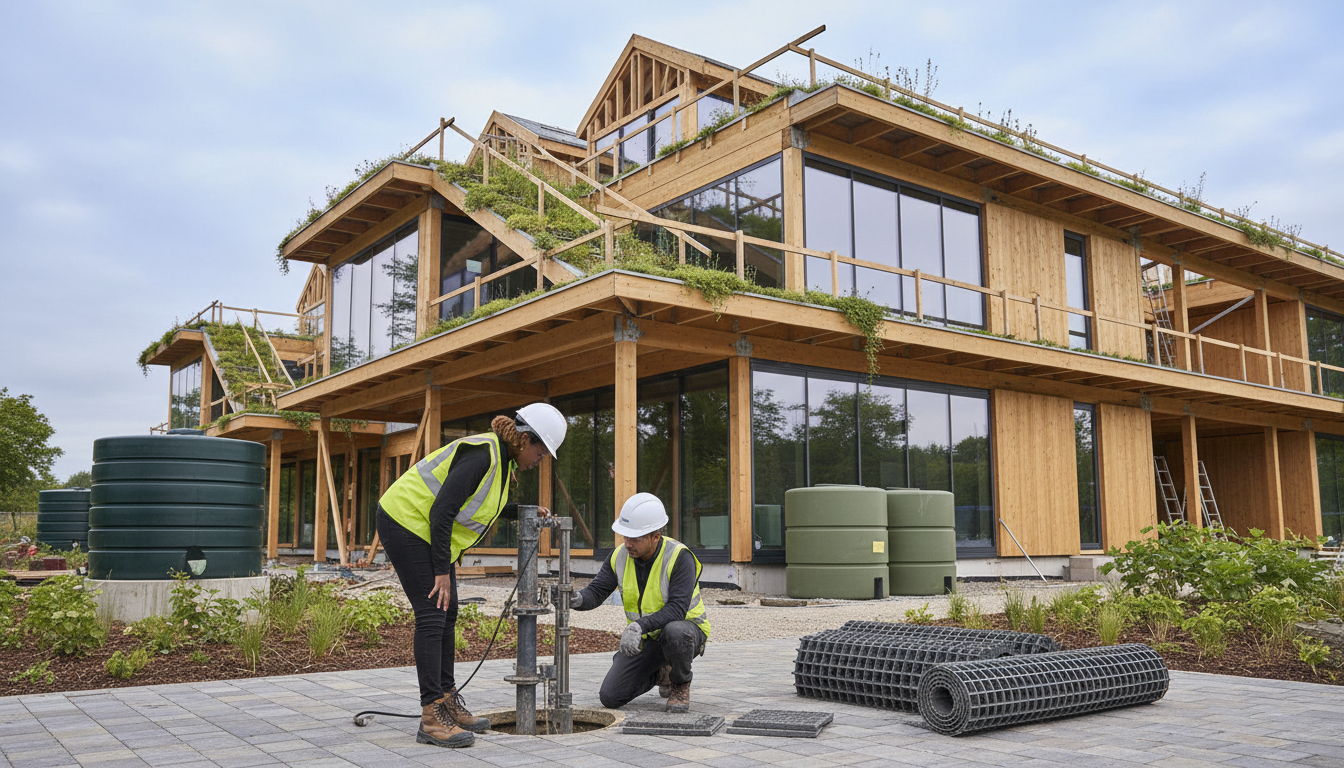
Sustainable building materials can also contribute to healthier living environments. Many traditional building materials contain toxic chemicals that can harm occupants' health. In contrast, sustainable options often have lower levels of volatile organic compounds (VOCs) and other harmful substances.
This can lead to improved indoor air quality, which is particularly important in urban areas where outdoor air pollution is a concern. Better air quality can enhance the well-being and productivity of building occupants.
Enhanced Comfort
In addition to health benefits, sustainable buildings often provide superior comfort. Advanced insulation, natural lighting, and temperature regulation are just a few features that can improve the quality of life for residents and workers.
Conclusion
The adoption of sustainable building materials in Germany is not just a trend but a necessary shift towards a more sustainable future. By choosing these materials, builders and developers can contribute to environmental conservation, economic savings, and improved health and well-being. As the industry continues to evolve, sustainable materials are set to become the standard in construction, paving the way for a greener tomorrow.